
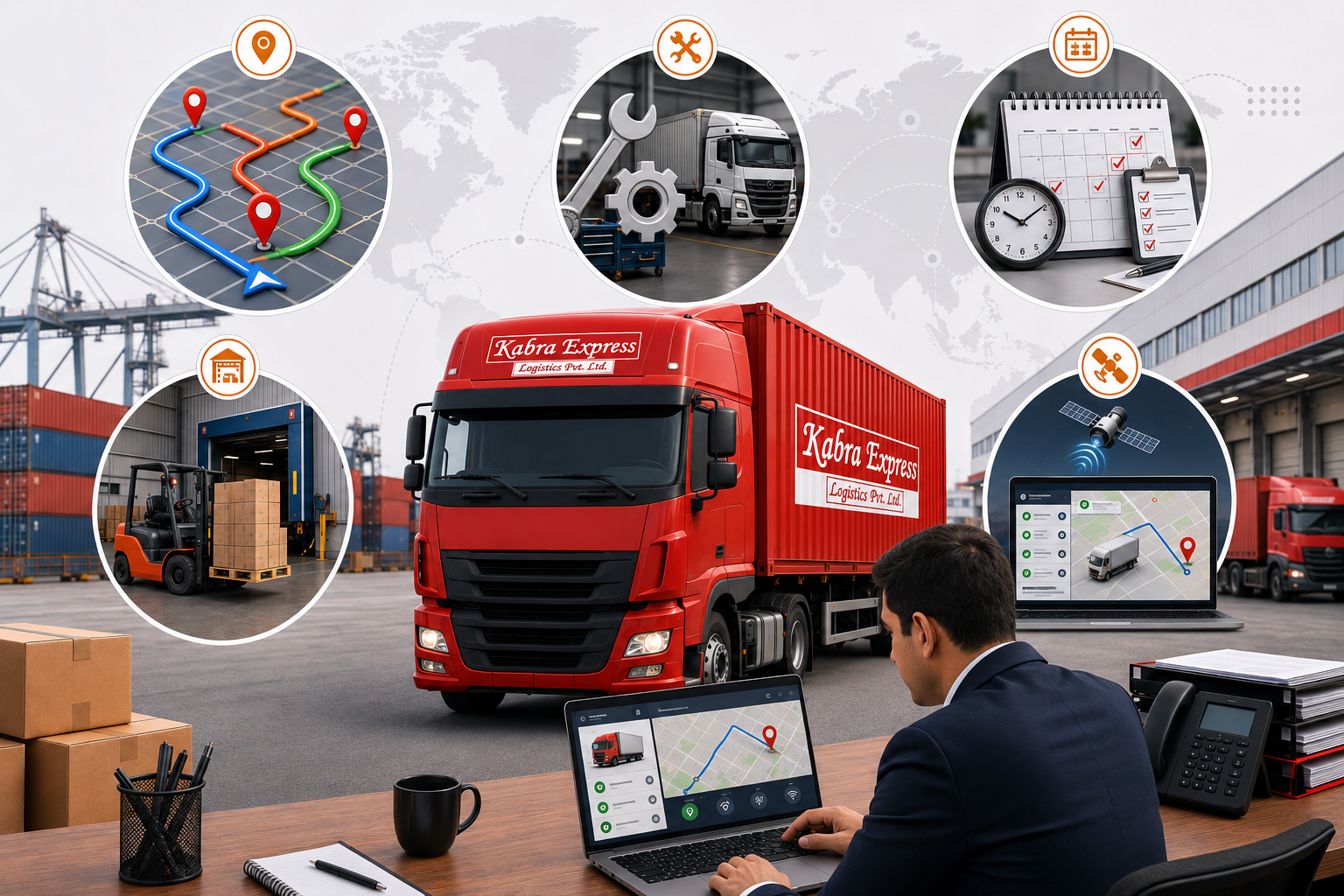
Peak season is where logistics providers either prove their reliability or expose their weaknesses.
For businesses that depend on full truck load services, peak periods such as festive sales, agricultural harvest seasons, year-end inventory movements, and e-commerce surges can make or break supply chain performance. A delayed shipment, unavailable truck, or poor communication at the wrong time can result in missed deliveries, unhappy customers, production stoppages, and lost revenue.
Unfortunately, many businesses only discover the shortcomings of their logistics partners when demand reaches its highest point. By then, finding alternatives becomes difficult, expensive, and risky.
If you're a transporter, fleet owner, logistics manager, freight broker, or SME shipper, recognizing the early warning signs can help you avoid major disruptions. Here are five indicators that your full truck load transport service provider may not be prepared for peak season demands.
Why Peak Season Puts Full Truck Load Services Under Pressure
Peak season creates a perfect storm for logistics operations.
Demand for trucks increases dramatically, driver availability becomes limited, fuel costs fluctuate, and road congestion intensifies. Logistics providers must scale operations quickly while maintaining service quality.
The best full truck load services providers prepare months in advance. They expand carrier networks, optimize routes, strengthen communication systems, and improve visibility across their operations.
Providers that fail to prepare often reveal warning signs well before major breakdowns occur.
Warning Sign 1: Truck Availability Becomes Unpredictable
One of the earliest indicators of trouble is inconsistent truck availability.
If your provider frequently responds with phrases like:
- "We'll try to arrange a vehicle."
- "The truck isn't available today."
- "We'll confirm tomorrow."
- "Capacity is currently limited."
it may indicate deeper operational challenges.
Why This Happens
Reliable providers maintain a healthy balance between demand and fleet capacity. When a company lacks sufficient vehicles, backup carriers, or driver resources, truck shortages become more common during demand spikes.
For businesses relying on a dedicated full load truck, even a small delay in allocation can disrupt production schedules and customer commitments.
What You Should Look For
A dependable provider should:
- Offer predictable truck allocation.
- Share capacity forecasts.
- Maintain backup fleet arrangements.
- Confirm bookings quickly.
If vehicle availability becomes uncertain before peak season starts, expect bigger issues when demand surges.
Warning Sign 2: Communication Suddenly Slows Down
Communication problems rarely occur in isolation.
When customer service teams become difficult to reach or responses take longer than usual, operational stress may already be affecting the provider.
Common Red Flags
Watch for situations such as:
- Delayed email responses.
- Unanswered calls.
- Incomplete shipment updates.
- Lack of proactive notifications.
- Conflicting information from different teams.
Peak season requires rapid decision-making. Delayed communication can prevent businesses from responding quickly to disruptions.
The Hidden Risk
Poor communication often reflects poor internal coordination.
If dispatch teams, drivers, operations managers, and customer support staff are not aligned, shipment visibility suffers. This creates uncertainty throughout the supply chain.
Strong full truck load services providers invest in real-time tracking, automated alerts, and dedicated support teams to keep customers informed.
Warning Sign 3: Tracking and Visibility Systems Are Outdated
Modern logistics depends on visibility.
Customers increasingly expect real-time updates regarding shipment location, estimated arrival times, route deviations, and delivery status.
If your provider still relies heavily on manual phone calls or spreadsheets, peak season can quickly overwhelm their processes.
Why Visibility Matters
Without accurate tracking, businesses struggle to:
- Plan warehouse operations.
- Schedule unloading teams.
- Manage inventory levels.
- Inform customers about deliveries.
- Respond to delays proactively.
For businesses shipping high-value goods through a full load truck, visibility is essential for risk management.
Questions to Ask Your Provider
- Can I track shipments in real time?
- Do you provide automated alerts?
- Is there a customer dashboard?
- How quickly are exceptions reported?
A provider lacking modern technology may struggle to maintain service quality when shipment volumes increase.
Warning Sign 4: Frequent Delays in Logistics Container and Route Planning
Route planning becomes increasingly important during peak periods.
Providers that fail to optimize transportation networks often experience rising delays, inefficient fuel usage, and missed delivery commitments.
Signs of Poor Planning
Pay attention if your provider regularly experiences:
- Last-minute route changes.
- Missed pickup windows.
- Extended transit times.
- Unexpected detention charges.
- Poor utilization of available resources.
These issues often indicate weak operational planning.
The Impact on Logistics Container Movement
Businesses using a logistics container for long-distance freight movement are especially vulnerable.
Poor route planning can result in:
- Port delays.
- Warehouse congestion.
- Increased demurrage charges.
- Inventory shortages.
- Reduced customer satisfaction.
The best providers use route optimization tools, predictive analytics, and demand forecasting to minimize disruptions during busy seasons.
Warning Sign 5: Pricing Becomes Highly Unstable
Pricing fluctuations are normal during periods of high demand.
However, extreme and frequent price changes often indicate a provider struggling with capacity management.
When Dynamic Pricing Becomes a Problem
You should be cautious if:
- Rates change daily without explanation.
- Additional charges suddenly appear.
- Contracted rates are ignored.
- Spot pricing becomes the default option.
- Fuel surcharges increase unexpectedly.
Such behavior may suggest the provider lacks sufficient carrier relationships or fleet resources.
Why Stable Pricing Matters
Predictable transportation costs allow businesses to:
- Control budgets.
- Maintain profit margins.
- Forecast operating expenses.
- Plan inventory movements effectively.
Reliable full truck load transport service providers establish transparent pricing structures and communicate adjustments clearly.
How Strong Full Truck Load Services Providers Prepare for Peak Season
Instead of reacting to demand spikes, leading logistics companies prepare proactively.
Fleet Expansion and Carrier Partnerships
Top providers:
- Secure additional vehicles in advance.
- Build strong carrier networks.
- Maintain backup transportation options.
- Ensure driver availability.
Technology Integration
Modern logistics leaders implement:
- GPS-based tracking.
- Route optimization software.
- Automated dispatch systems.
- Digital proof-of-delivery solutions.
Performance Monitoring
Successful providers continuously measure:
- On-time delivery rates.
- Fleet utilization.
- Customer satisfaction.
- Transit efficiency.
- Vehicle performance.
This data-driven approach helps maintain service consistency during high-demand periods.
How Shippers Can Protect Themselves
Choosing the right logistics partner requires ongoing evaluation.
Before peak season begins:
Review Historical Performance
Ask for:
- On-time delivery records.
- Capacity reports.
- Peak-season performance metrics.
- Customer references.
Establish Clear Service Expectations
Create service-level agreements covering:
- Delivery timelines.
- Communication standards.
- Tracking requirements.
- Escalation procedures.
Diversify Transportation Options
Avoid relying on a single provider.
Having secondary transportation partners can reduce risk if capacity becomes constrained.
The Cost of Ignoring These Warning Signs
Many businesses assume logistics disruptions are unavoidable during peak periods.
In reality, most failures can be traced back to warning signs that appeared weeks or months earlier.
A struggling provider can lead to:
- Revenue loss.
- Customer dissatisfaction.
- Inventory shortages.
- Production downtime.
- Increased transportation costs.
Identifying issues early allows businesses to make informed decisions before disruptions impact operations.
Conclusion
Peak season is the ultimate stress test for full truck load services providers. Companies that lack fleet capacity, modern technology, effective communication, route optimization, and pricing stability often reveal warning signs long before major failures occur.
By monitoring truck availability, communication responsiveness, visibility systems, route planning capabilities, and pricing consistency, businesses can identify potential risks early and protect their supply chains from costly disruptions.
Whether you're managing a dedicated full load truck, coordinating a logistics container, or overseeing large-scale freight operations, selecting the right full truck load transport service partner is essential for maintaining efficiency, profitability, and customer satisfaction during the busiest periods of the year.