
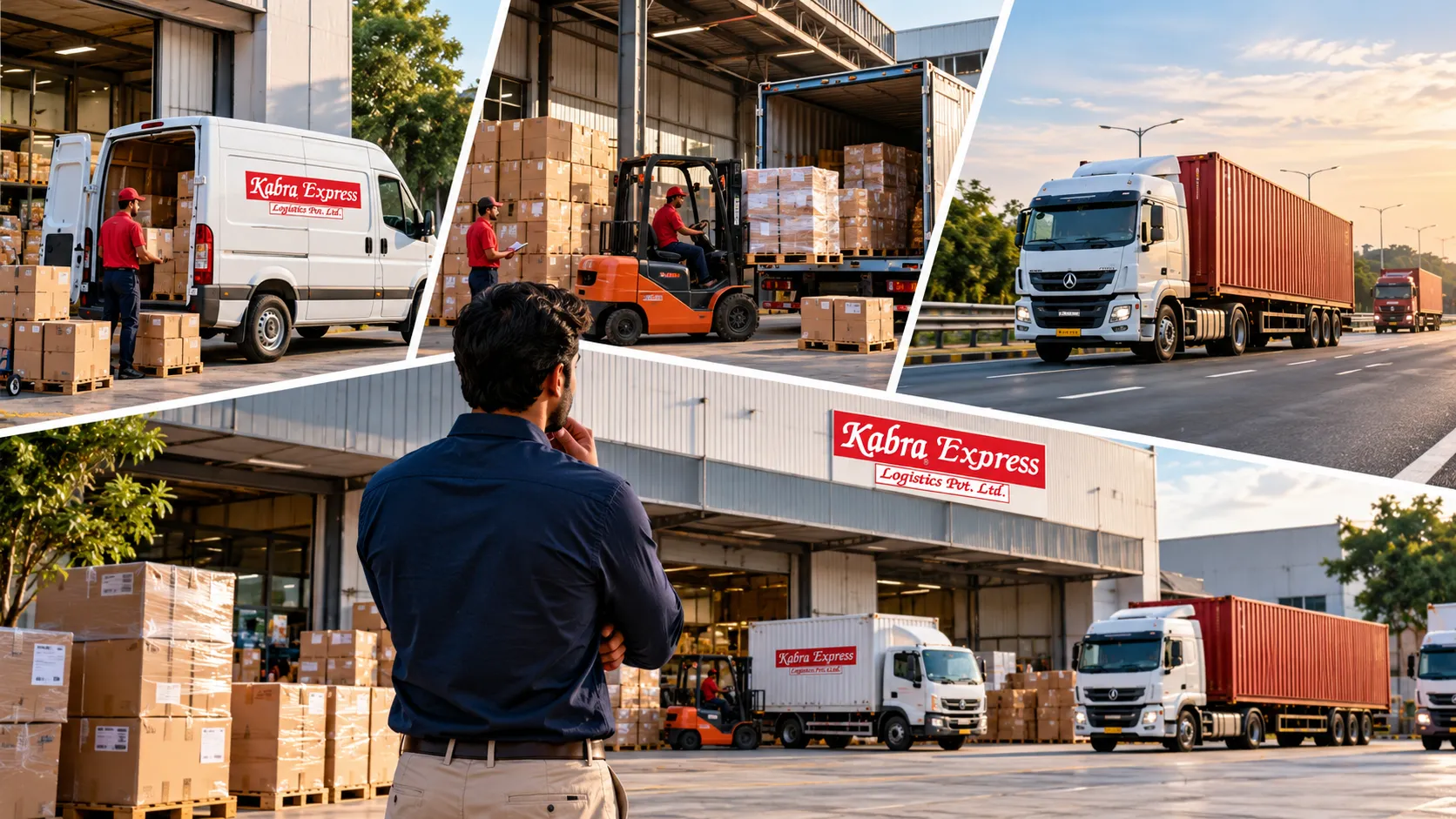
Moving goods from one city to another sounds straightforward until you have to decide which transport service actually fits your shipment.
A small business may need to send a few cartons to another city, while an e-commerce seller could have regular parcels moving every day. A manufacturer might require a dedicated truck for a large consignment, whereas an individual sender may simply need a reliable way to move personal goods.
Choosing the right transport service is not only about finding a vehicle. It is about matching the shipment with the right combination of capacity, delivery timeline, cost, tracking, handling, and reliability.
For businesses that regularly move goods, working with an experienced logistics service provider can make this process easier. Instead of arranging every shipment independently, businesses can select suitable transportation options based on their actual requirements.
What Is a Transport Service and How Does It Work?
A transport service is a structured way of moving goods from one location to another using suitable transportation methods and operational support.
Depending on the shipment, transportation may involve parcel movement, part load transportation, full truckload movement, freight transportation, or other logistics solutions.
A typical shipment journey involves several steps:
- Shipment booking — Details such as pickup location, destination, weight, quantity, and shipment type are collected.
- Transportation planning — The appropriate vehicle or service is selected.
- Pickup — Goods are collected from the sender.
- Transit movement — The shipment travels through the planned route.
- Delivery — Goods reach the destination and are handed over to the receiver.
The right transport service helps make each stage more organised while reducing unnecessary delays and operational confusion.
How to Choose the Right Transport Service for Your Shipment
Not every shipment needs the same transportation solution. Before selecting a service, consider the following factors.
1. Shipment Size and Weight
Start with the size and quantity of your goods.
If you are sending a few boxes, using an entire truck may not be economical. A part load or parcel-based transport service may be more suitable.
For large commercial consignments that can occupy a substantial portion or the entire vehicle, a full truckload option may make more sense.
The objective is simple: use the transportation capacity you actually need.
2. Delivery Timeline
Your delivery deadline also affects the right choice.
Ask yourself:
- Does the shipment need to reach quickly?
- Is the delivery date flexible?
- Is the shipment connected to a customer commitment?
- Could a delay affect production or sales?
For e-commerce sellers and businesses handling time-sensitive orders, a dependable transport service can help maintain a smoother delivery cycle.
3. Destination and Route
The distance between pickup and delivery locations is important, but the route matters too.
Regular business routes may benefit from an established logistics network and planned transportation schedules. When selecting a logistics company in India, businesses should consider whether the provider regularly handles the routes they require.
An experienced provider may also understand practical challenges associated with different routes, delivery locations, and shipment types.
4. Nature of the Goods
Different products can have different transportation requirements.
For example, fragile products may require careful handling, while commercial goods may require appropriate loading arrangements.
Before booking a transport service, communicate important shipment information clearly. This helps the provider understand what is being moved and recommend a suitable transportation method.
5. Tracking and Shipment Visibility
For modern businesses, knowing where a shipment is can be almost as important as moving it.
Shipment tracking can help businesses:
- Check shipment progress
- Respond to customer questions
- Plan receiving activities
- Identify potential delays
- Maintain better communication
This is particularly useful for e-commerce sellers who need to provide customers with updates during the delivery journey.
A logistics service provider offering shipment visibility can therefore provide more operational value than a basic transportation arrangement.
Common Types of Transport Services Businesses Use
Understanding the different options makes it easier to select the right solution.
Parcel Transport Service
Parcel transportation is suitable for smaller shipments that do not require an entire vehicle.
It can be useful for:
- Small businesses
- Online sellers
- Retailers
- Individual senders
- Regular small consignments
Instead of paying for an entire truck, the sender can use a transportation network designed for smaller shipments.
Full Truck Load (FTL)
You book a whole truck for your goods alone. It is best for large, heavy or bulk shipments, such as factory stock or a full order for a distributor. It is faster because the truck goes straight to the destination without stopping for other cargo.
Part Truck Load (PTL)
You pay only for the space your goods use, and the truck carries goods from several senders. This transport service is ideal when your shipment is too big for a courier but too small for a full truck. It is the most cost-friendly option for many small businesses.
Express Parcel Service
This is built for speed and small packages. It suits urgent documents, samples, retail orders and online sales. Delivery is quick and tracking is usually detailed.
Freight Transport
Freight transportation is commonly used for commercial movement of goods between different locations.
Businesses may use freight-related logistics company services when they need structured transportation support for recurring or larger shipments.
The appropriate solution depends on shipment characteristics, route, quantity, timeline, and handling requirements.
Why Businesses Should Work With a Reliable Logistics Service Provider
Managing transportation internally can become difficult as shipment volumes increase.
A business may need to coordinate vehicles, drivers, routes, pickup schedules, delivery information, and customer communication simultaneously.
A reliable logistics service provider can help simplify these responsibilities by bringing transportation activities together through an organised service.
For growing businesses, this can provide several advantages:
- Better planning: Shipments can be matched with appropriate transportation options.
- Operational convenience: Businesses spend less time arranging individual transportation requirements.
- Improved visibility: Tracking and shipment updates can make delivery management easier.
- Flexible capacity: Businesses can select parcel, part load, full truckload, or freight solutions based on shipment requirements.
- Better customer experience: More organised deliveries can help businesses communicate confidently with their customers.
Transport Service for Small and Medium Businesses
For SMBs, transportation costs can directly influence margins.
A small retailer sending goods between cities may not have the shipment volume required for dedicated trucks every time. Similarly, a growing manufacturer may gradually move from small consignments to larger commercial shipments.
The key is scalability.
Instead of selecting a single transportation model for every shipment, businesses can choose a transport service according to their current requirements.
For example:
- Small shipment → Parcel transportation
- Medium commercial shipment → Part load transportation
- Large shipment → Full truckload transportation
- Regular commercial movement → Freight and structured logistics support
This flexible approach allows businesses to adapt transportation as their operations grow.
Transport Service for E-Commerce Sellers
E-commerce businesses operate in a customer-driven environment where delivery experience can influence repeat purchases.
An online seller may have dozens or hundreds of shipments moving across different locations. Managing these shipments manually can quickly become difficult.
A suitable transport service can help e-commerce sellers organise movement from pickup to delivery while providing better shipment visibility.
Before selecting a provider, sellers should consider:
- Pickup availability
- Destination coverage
- Tracking facilities
- Shipment handling
- Delivery timelines
- Pricing structure
- Support for regular shipment volumes
The goal should not simply be the lowest transportation price. The better question is whether the service provides the right balance between cost, reliability, visibility, and convenience.
What to Check Before Booking a Transport Service
Before finalising a provider, use this simple checklist:
Confirm the Shipment Details
Know your shipment's approximate weight, dimensions, quantity, pickup location, and destination.
Compare the Available Options
Do not automatically choose a full truck when a part load option may be sufficient—or choose part load when your shipment requires dedicated capacity.
Ask About Tracking
Understand how shipment progress will be communicated after pickup.
Check Delivery Expectations
Ask about estimated transit time and how delivery updates are handled.
Understand the Pricing
Clarify whether the quoted price includes applicable transportation and handling charges.
Consider the Provider's Experience
Look for a logistics company in India that understands commercial transportation requirements and has experience handling shipments similar to yours.
How the Right Transport Service Supports Business Growth
Transportation becomes increasingly important as a business expands.
More customers often mean more orders. More orders create more shipments. More shipments require better planning.
At this stage, transportation should not become an operational bottleneck.
A scalable transport service allows businesses to adjust their shipping approach as their requirements change. A small seller can begin with parcel movement, move into part load transportation as volumes increase, and eventually use full truckload or structured freight solutions when required.
This flexibility allows transportation to support growth instead of becoming a source of unnecessary complexity.
Making a Smarter Transport Service Decision
The best transportation choice is rarely the same for every business.
A small parcel, a medium commercial consignment, and a full truckload shipment have completely different requirements. The right solution depends on what you are sending, how much you are sending, where it is going, and when it needs to arrive.
For SMBs, e-commerce sellers, and individual senders, choosing the right transport service means looking beyond price. Capacity, route coverage, delivery expectations, tracking, handling, and service reliability all matter.
With the support of an experienced logistics service provider, businesses can select suitable logistics company services and build a transportation process that is easier to manage as shipment requirements grow.
Also read our previous blog: From Investment to Income: Your Logistics Franchise Journey