
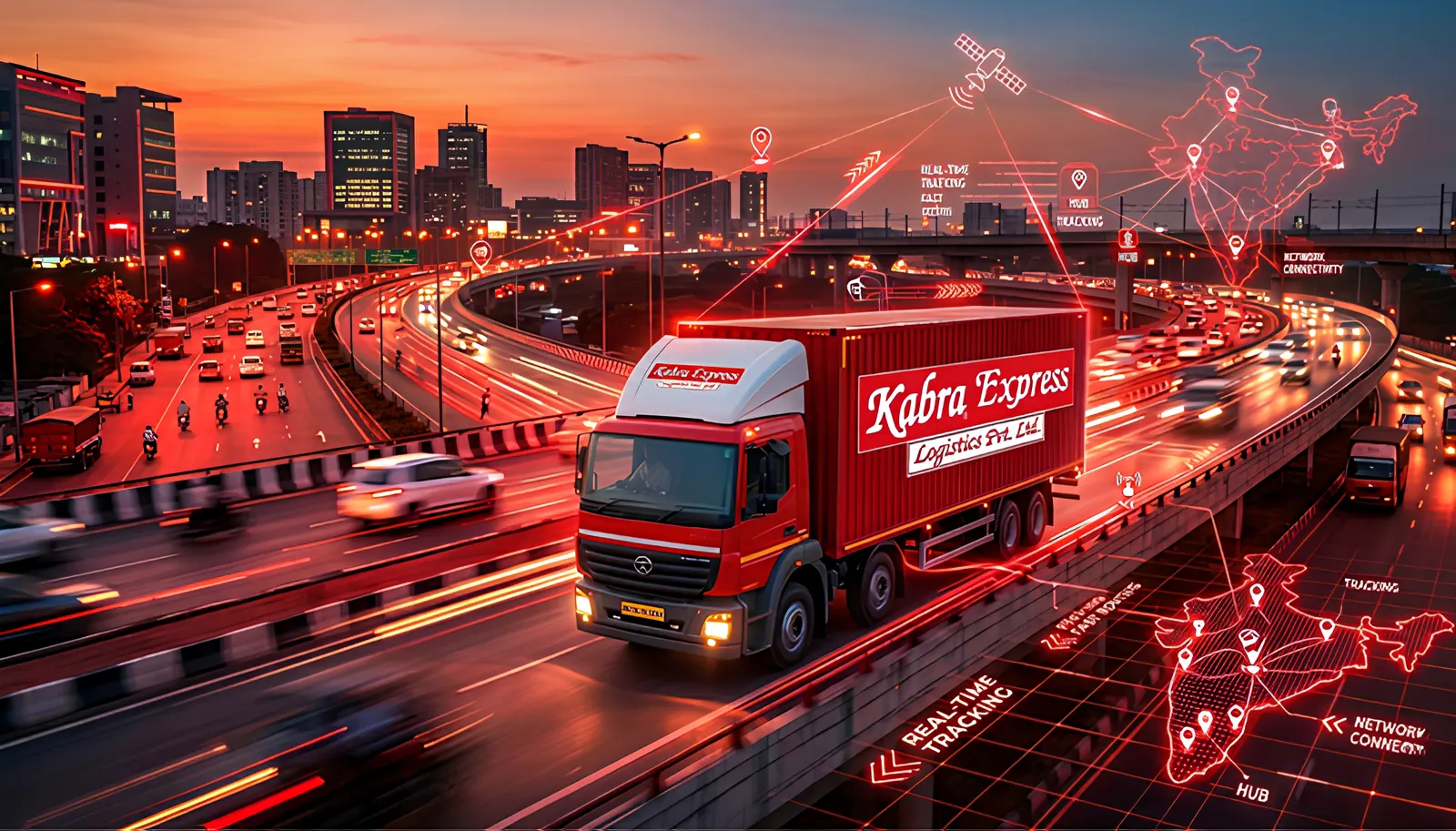
The logistics industry in India is changing rapidly. With growing customer expectations, increasing online shopping, and the need for faster deliveries, every logistics company in India is now focusing on technology-driven operations. Businesses no longer want delayed shipments, manual tracking, or communication gaps. They expect real-time updates, quick deliveries, and smooth transportation management.
To meet these expectations, logistics companies are adopting advanced technologies like GPS tracking, transport management software, automation, artificial intelligence, and digital fleet management systems. These innovations are helping the Indian logistics sector become faster, smarter, and more reliable than ever before.
From real-time tracking to automated transport management systems, technology is helping every logistics company in India handle operations more efficiently. Faster deliveries, better communication, and improved shipment visibility are now becoming standard expectations in the logistics industry.
The Growing Demand for Fast Logistics in India
India's logistics industry has seen massive growth in recent years due to e-commerce, manufacturing, retail, and B2B transportation needs. Customers now expect same-day or next-day deliveries, especially in urban areas. Because of this, every logistics company in India is under pressure to optimize operations and reduce delays.
Traditional logistics methods that relied heavily on paperwork and manual communication are no longer enough. Technology has become the backbone of modern logistics operations.
GPS Tracking and Real-Time Visibility
One of the biggest technological advancements in logistics is GPS vehicle tracking. A modern logistics company in India uses GPS systems to monitor vehicle movement in real time.
This technology helps companies:
- Track trucks and shipments live
- Reduce route delays
- Improve driver accountability
- Provide accurate delivery updates to customers
- Improve fuel efficiency
Real-time tracking also increases transparency between logistics companies and clients. Customers can easily know where their shipment is and when it will arrive.
Transport Management Systems (TMS)
A Transport Management System is one of the most important tools used by a logistics company in India. TMS software helps automate and manage transportation operations from a single platform.
Key benefits of a TMS include:
- Route planning and optimization
- Driver management
- Trip tracking
- Freight billing automation
- Delivery scheduling
- Digital proof of delivery
With a smart TMS, logistics companies can reduce paperwork, minimize errors, and improve overall efficiency.
Route Optimization for Faster Deliveries
Traffic congestion and fuel costs are major challenges in India. To solve this problem, many logistics companies now use AI-powered route optimization software.
A technology-enabled logistics company in India can analyze:
- Traffic conditions
- Delivery locations
- Road quality
- Fuel usage
- Weather conditions
Based on this data, the system suggests the fastest and most cost-effective routes. This not only improves delivery speed but also reduces fuel expenses and vehicle wear and tear.
Automation in Warehouse Operations
Warehousing is another area where technology is transforming the logistics industry. A modern logistics company in India uses warehouse automation tools to speed up inventory handling and shipment processing.
Popular warehouse technologies include:
- Barcode scanning
- RFID tracking
- Automated inventory systems
- Digital stock management
- Smart packaging solutions
These systems reduce human errors and help companies process orders much faster.
Digital Documentation and Paperless Logistics
Manual paperwork often causes delays and operational inefficiencies. Today, many logistics companies are moving toward paperless logistics operations.
A digitally advanced logistics company in India now uses:
- E-way bill integration
- Digital invoices
- Electronic proof of delivery (ePOD)
- Online trip records
- Cloud-based documentation systems
Digital documentation saves time, improves accuracy, and simplifies compliance processes.
AI and Data Analytics in Logistics
Artificial Intelligence and data analytics are becoming powerful tools in the logistics sector. A smart logistics company in India uses data to predict delays, monitor fleet performance, and improve operational planning.
AI technology helps companies:
- Forecast delivery demand
- Predict vehicle maintenance needs
- Reduce idle time
- Improve delivery accuracy
- Analyze driver performance
Data-driven decision-making allows logistics businesses to become more efficient and customer-focused.
Mobile Apps for Better Communication
Communication plays a major role in logistics operations. Many logistics companies now use mobile applications for drivers, customers, and fleet managers.
A technology-enabled logistics company in India provides mobile apps that allow users to:
- Track shipments live
- Get instant delivery notifications
- Manage trips digitally
- Contact drivers easily
- Upload delivery confirmations
Mobile technology improves coordination and helps businesses operate more smoothly.
Improved Customer Experience Through Technology
Customer satisfaction is one of the biggest priorities for any logistics business today. Technology helps logistics companies offer better service quality and faster support.
A professional logistics company in India can now provide:
- Real-time shipment tracking
- Faster customer support
- Automated alerts and updates
- Accurate delivery timelines
- Transparent logistics operations
These features help build customer trust and long-term business relationships.
The Future of Logistics Technology in India
The future of logistics in India will be heavily technology-driven. Emerging innovations like IoT, electric vehicles, AI automation, and smart fleet systems will continue to transform the industry.
In the coming years, every successful logistics company in India will need to invest in digital solutions to stay competitive and meet growing market demands.
Companies that adopt modern logistics technologies today will be better prepared for the future of transportation and supply chain management.
Conclusion
Technology is reshaping the logistics industry across India. From GPS tracking and route optimization to automation and AI-powered systems, every modern logistics company in India is leveraging technology to improve delivery speed and operational efficiency.
Businesses now prefer logistics partners that offer transparency, faster service, digital tracking, and smart transport solutions. As customer expectations continue to rise, technology will remain the key driver of growth and innovation in the Indian logistics sector.
Choosing a technology-driven logistics partner can help businesses reduce costs, improve delivery performance, and stay ahead in today's competitive market.